



Best Cover Crops for Farmland in America
By United Country Real EstateJanuary 25, 2026
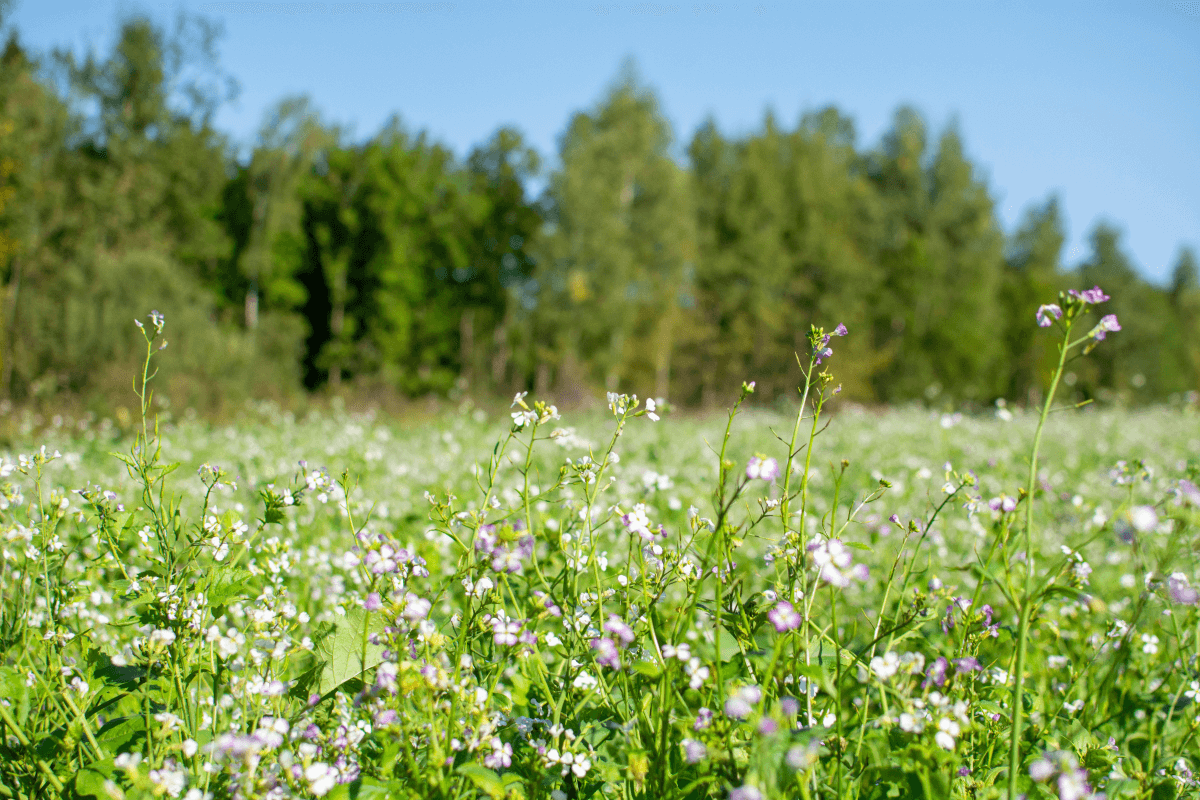
Cover crops are an important part of a productive farmland. Learn which crops are best for your land and how they can affect water management and more
Cover crops are a cornerstone of soil management across the
United States and beyond. Whether used on large row-crop farms or diversified
operations, cover crops protect soil between growing seasons while actively
improving its structure and fertility.
For farmland owners and operators, the right cover crop
strategy can enhance their property’s productivity, reduce erosion and support
the long-term soil health of the land, which is an important factor when
evaluating land value and market appeal.
Why Cover Crops Matter
Cover crops are planted primarily to benefit the soil rather
than for harvest. When managed correctly, they improve organic matter, feed
soil microbes and help regulate moisture.
Common benefits include:
- Reduced erosion from wind and water
- Improved nutrient cycling
- Better water infiltration and retention
- Increased resilience during dry or wet years
These outcomes tie directly into broader soil management
goals outlined in Soil Health: The Foundation of Productive Farmland.
Common Cover Crops
Different cover crops serve different purposes depending on
soil needs, climate and cropping systems. Below is a simplified comparison of
commonly used cover crops in U.S. agriculture:
Cover Crop Primary Benefit Common
Regions
Cereal Rye Control Erosion & Weeds Midwest & Plains
Crimson Clover Nitrogen
Fixation Southeast
Radishes Compaction Reduction Corn
Belt
Oats Quick Ground Cover North
Winter Wheat Soil Stabilization Nationwide
Each crop type has their own strengths when it comes to
improving farmland productivity, and understanding their distinctions, will
help landowners optimize their operation. Select the right mix of cover crops to
achieve better results than simply relying on a single crop type. A blend of cover
crops can offer a higher quality balance for managing nitrogen, erosion, compaction
and moisture.
Cereal rye is one of the most common types of cover crops in
America due to its ability to adapt and grow aggressively. It tends to quickly
grow in the fall and provide excellent erosion control through winter and early
spring, suppressing weed growth by providing shade to the soil surface.
Crimson clover is more commonly used and effective in warmer
regions. Its ability to fix atmospheric nitrogen makes it a valuable crop to row-crop
farmers and livestock landowners. Their roots reach deep, contributing to tis
improved soil aggregation and activity.
Radishes are also known for providing excellent coverage and
penetrating compacted layers of soil. Their large taproots create channels that
improve water infiltration and root growth for other crops. Once winter comes
around and kills the radishes, the vegetable leaves organic matter that
nourishes the soil.
Oats are a favorite among farmers and ag professionals as
they are easy to manage. They provide quick ground cover, even in colder
climates, which will help prevent erosion and nutrient loss after a harvest. Oats
also offer nutrients and surface protection in winter.
Winter wheat offers landowners stable soil for a wide range
of climate, soil and crop types. The wheat provides an extensive network of roots
keeps the soil in place, reducing runoff and improving water infiltration.
How Cover Crops Affect Water Management
Cover crops play a huge role in managing water before and
after seasonal rains due to their root systems helping soils absorb moisture
more efficiently, which ultimately reduces runoff and ponding.
The influence on water management that your cover crop can
make will complete your irrigation and water strategies, especially when
preparing for spring rains. Learn more about how to align cover crops with
water strategies in Improve
Irrigation Efficiency Before Springs Rains.
Whichever plants you chose for you land, the crops
covering the land will assist in water management by offering increased
water infiltration of the soil. By planting cover crops, you can prohibit soil
layers from sealing, allowing more water into the ground thus increasing the storage
abilities and porosity of the soil.
Economic & Long-Term Value
While cover crops require upfront investment, many farmers
report long-term savings through reduced fertilizer needs and improved yield
stability, saving time and money in the long run. For landowners, these
improvements can make farmland more attractive to buyers focused on operational
efficiency and sustainability.
Utilizing cover crops also aligns with conservation
initiatives and cost-share programs, which can enhance a property's financial
profile. There are many
beneficial programs offering tax savings that you can ask a United Country Real
Estate affiliate about, like Boa Safra Ag and more.
Healthy soils don't happen by accident; cover crops help
make them happen on purpose.
Improve Irrigation Efficiency Before
Spring Rains
Soil Health: The
Foundation of Productive Farmland
Sources: